What Documentation Refactoring Tools Actually Change
Better organization alone won't keep docs aligned with evolving code.
Renata Haddad
Section
23 stories in Features.
Better organization alone won't keep docs aligned with evolving code.
Evaluating which layers your docs platform actually handles well.
Repeatable patterns of organization and content matter more than elaborate design.
Stale, ambiguous, or incomplete docs produce predictable failures agents can't overcome.
Silent failures and retry loops can mask deprecated endpoints long after shutdown.
AI-generated documentation stays accurate only with infrastructure that tracks how code changes.
Document expertise through observation during real work, not exit interviews.
Bring documentation updates into your CI/CD pipeline as gated, versioned artifacts.
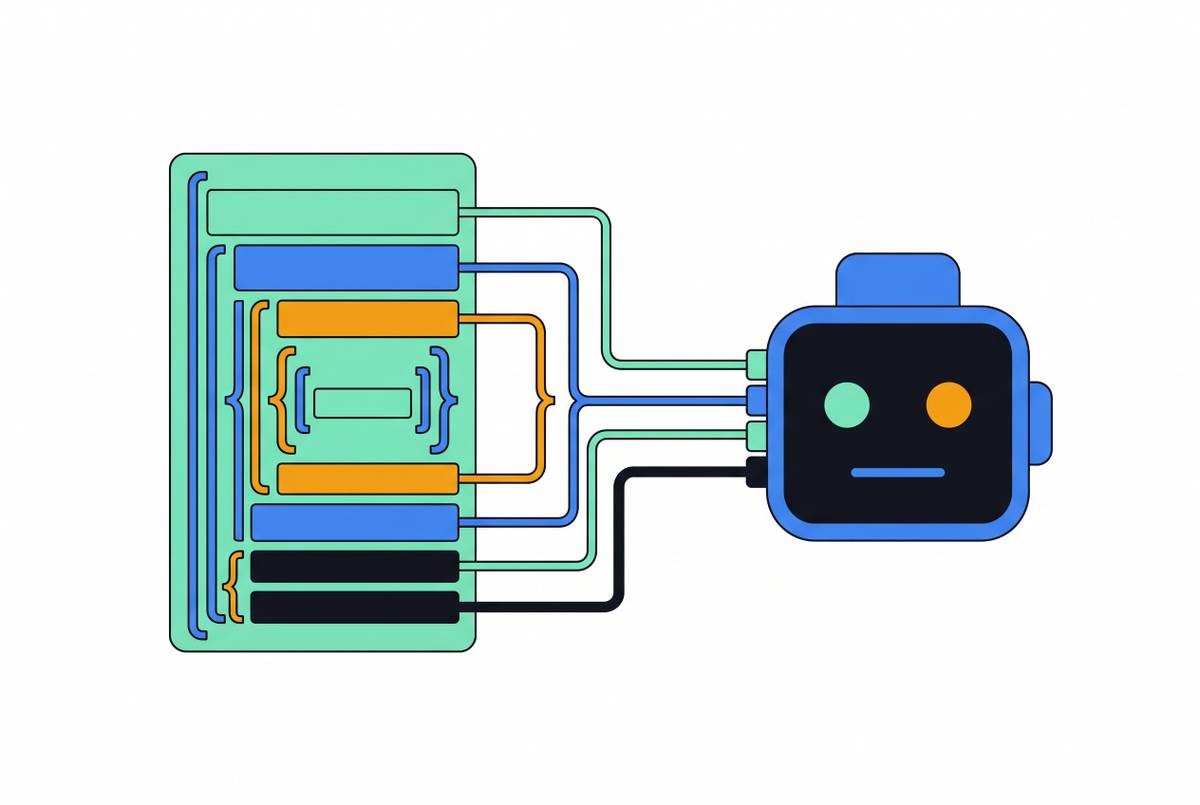
Schema precision determines whether agents call your functions correctly.
Keep reference docs tied to your API spec version, but share conceptual guides across versions.
Reliable AI agents depend on current, well-governed documentation exposed through a shared protocol.
Treat documentation as a versioned pipeline artifact that updates when code changes, not after.
Clear documentation gaps leave acquirers reverse-engineering systems instead of integrating them.
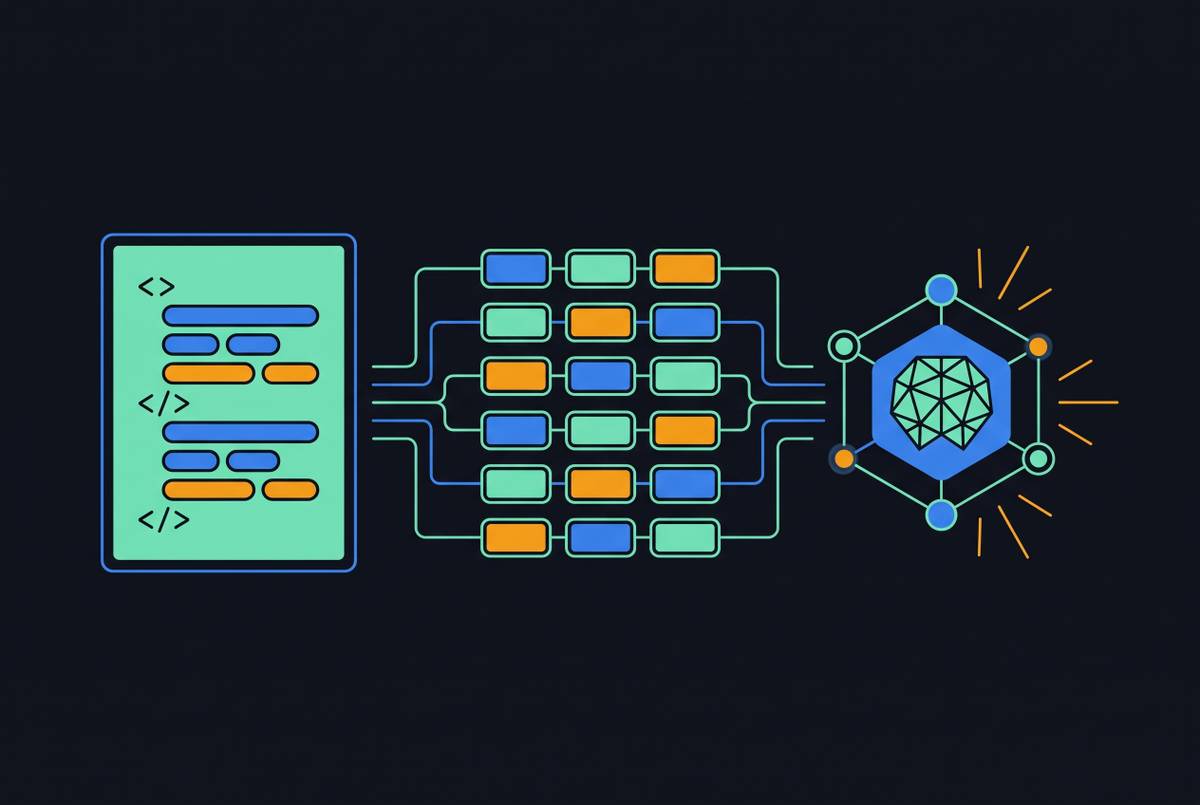
Embedding documentation updates in code workflows prevents the drift that makes manuals unreliable.
One drives outcomes; the other just stores files.
MDX platforms now need to serve both humans and AI agents reliably.
Five documentation platforms now offer hosted MCP servers ready to connect immediately.
Design APIs with explicit schemas so agents can call them reliably.
Agents need single resolved facts with timestamps, not outdated documents ranked by relevance.
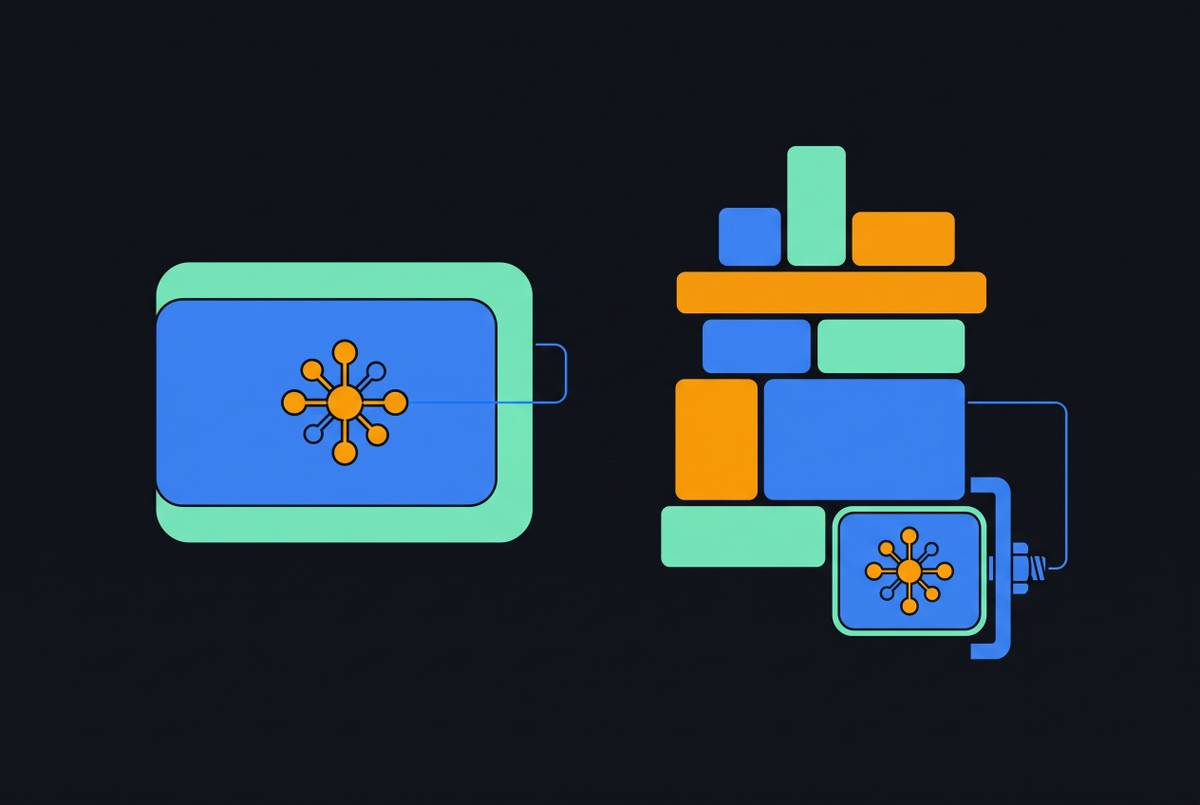
Bundled platforms prevent architectural gaps that bolt-on tools can't fix.
Timing and retrieval strategy shape cost, reliability, and freshness more than raw performance.
Documentation that explains why code exists matters far more than restating what it does.
AI agents now read half your docs—here's what that demands architecturally.